
Understanding the psychological triggers behind high-stakes gambling behaviour
The Allure of Risk
High-stakes gambling is not merely a game of chance; it is a complex interplay of psychological factors that captivate individuals. The thrill of risking substantial amounts of money often leads to an adrenaline rush, which can be addictive. This desire for excitement can overpower rational thinking, causing gamblers to chase their losses or continue playing despite the odds being against them. Many find themselves drawn to the appeal of making quick profits at places like a fast payout online casino, further fueling their motivations.

Moreover, the allure of potentially life-changing winnings can create an illusion of control, where gamblers believe they can influence outcomes. This misconception is fueled by cognitive biases, such as the gambler’s fallacy, where individuals mistakenly believe that past results influence future ones. This sense of control, even when false, heightens the emotional experience and deepens the engagement with high-stakes gambling.
The Role of Technology
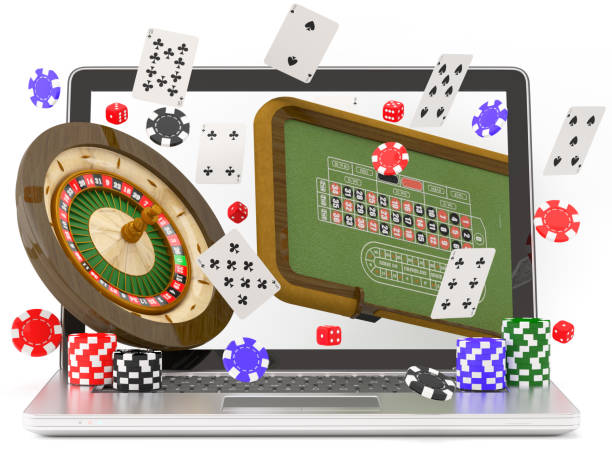
Modern technology has transformed the landscape of gambling, making it more accessible and immersive. Online casinos and mobile gaming apps have made it possible for individuals to gamble from the comfort of their homes, significantly increasing the frequency of high-stakes betting. These platforms often employ sophisticated algorithms designed to keep players engaged, using personalized offers and instant gratification to entice users into continued play.
Additionally, features such as live betting and interactive gameplay create a sense of urgency that can trigger impulsive behaviors. The visual and auditory stimuli, combined with the instant availability of gambling, can exacerbate the psychological triggers that lead to compulsive gambling behavior. As a result, the integration of technology into gambling not only makes it more convenient but also more psychologically manipulative.
Emotional Escapism
For many individuals, high-stakes gambling serves as a form of emotional escapism. The thrill of gambling can provide a temporary reprieve from stress, anxiety, or depression. Engaging in high-stakes betting allows individuals to immerse themselves in a world of excitement and possibility, momentarily overshadowing their daily struggles. This escape can be particularly appealing to those experiencing financial difficulties or emotional turmoil.
However, this form of escapism can be a double-edged sword. While it offers temporary relief, it can lead to a cycle of increased gambling to maintain that high. The emotional highs associated with winning can create a dependency, leading individuals to gamble more frequently and with larger amounts. Over time, this can result in detrimental consequences for their mental health and financial well-being.
Social Influences and Peer Pressure
The social context in which gambling occurs can significantly impact behavior. Peer pressure can play a substantial role in encouraging high-stakes gambling, particularly among young adults. The desire to fit in or gain acceptance within a social group can lead individuals to engage in riskier betting practices, often underestimating the potential consequences.
Additionally, social media and online communities can amplify these influences. The portrayal of gambling as glamorous or exciting can glamorize high-stakes betting, making it more appealing. This collective mindset can create a supportive environment for risky behaviors, normalizing gambling and potentially fostering addiction among participants.
Exploring Literary Perspectives on Gambling
Margaret River Press offers a unique platform to explore the intricate relationship between psychology and gambling through literature. By showcasing exceptional works that delve into human behavior, the press enriches the understanding of high-stakes gambling from various angles. Through compelling narratives, readers can gain insights into the psychological triggers that drive individuals toward gambling.
By fostering creativity and storytelling, Margaret River Press encourages discussions around the complexities of gambling behavior, allowing authors and readers to engage with this multifaceted issue. In doing so, it contributes to a broader understanding of the psychological nuances that shape high-stakes gambling and its implications for individuals and society alike.